Belonging in Transition: Community Stories
For the Community Stories series, I met with both new and long-term residents who share a deep connection to Danforth Village. Each participant was photographed and invited to reflect on what this neighbourhood means to them — how it shapes their sense of belonging, creativity, and everyday life.
The stories are as diverse as the community itself: some speak about creating art to bring people together; others share how community services and familiar spaces provide support during moments of transition and change. A few turn to the area’s green spaces — its parks, trees, and trails — as reminders of life’s ongoing cycles of loss, renewal, and continuity. These portraits and narratives form a collective reflection on what it means to find home, connection, and meaning in a neighbourhood in flux.
The Seniors of Bangladesh Centre & Community Services (BCCS)
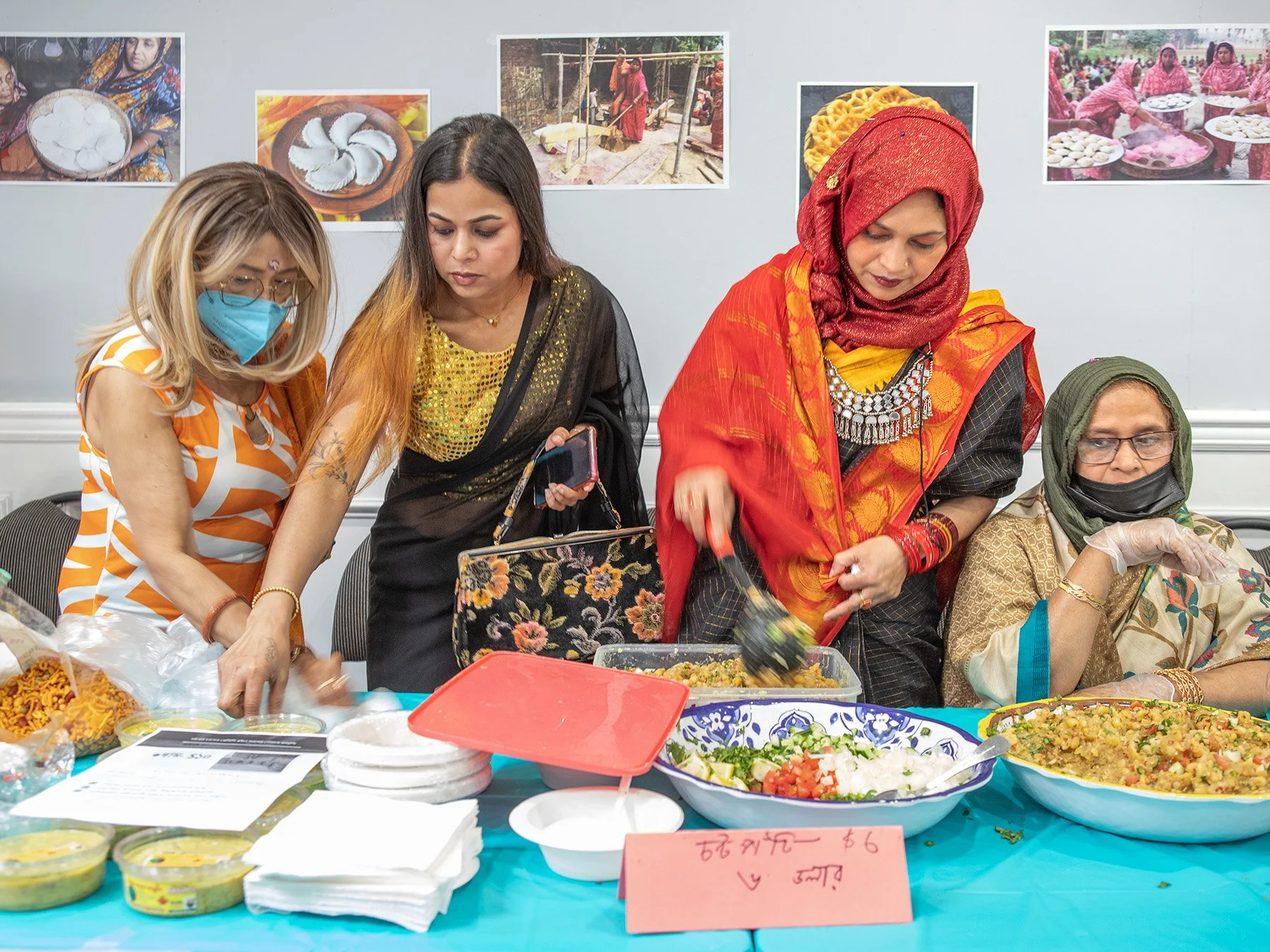
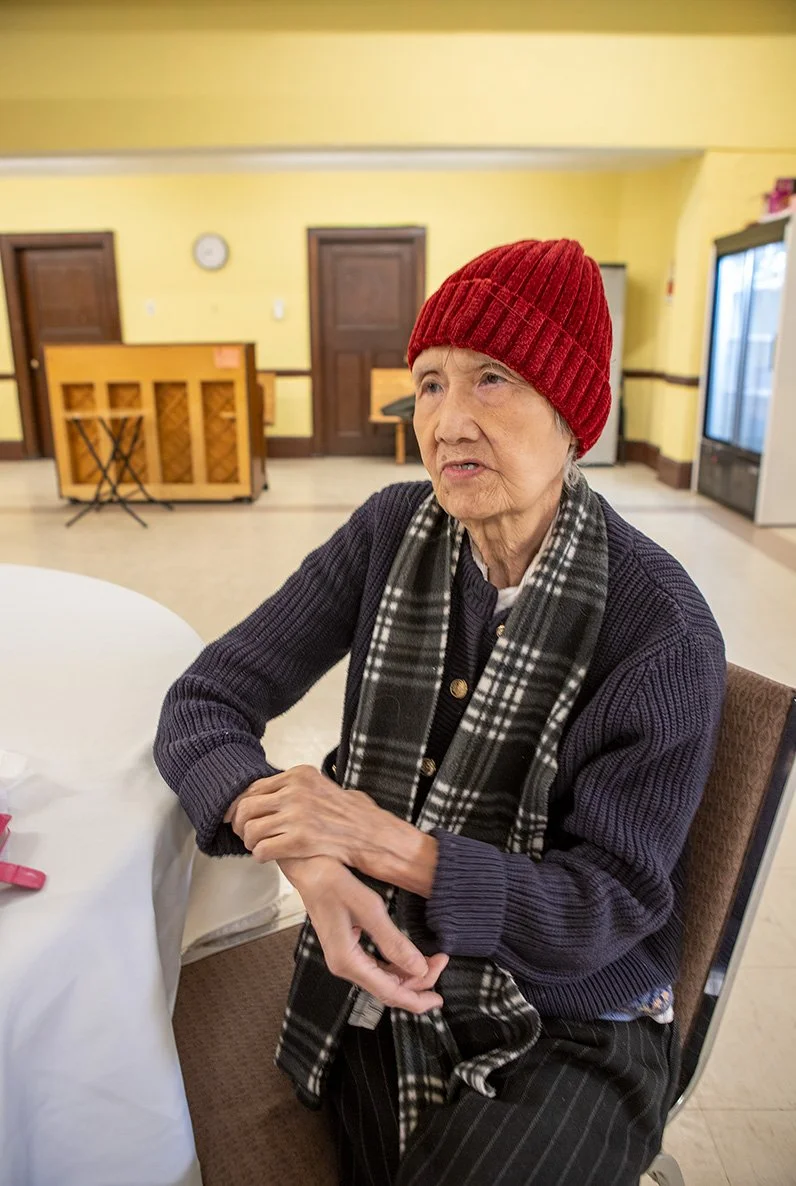
The Bangladesh Centre and Community Services (BCCS), located at 2670 Danforth Avenue, has been part of the fabric of Danforth Village since 2010. Founded by a group of volunteers, this grassroots, non-profit organization continues to serve newcomers of all ages and backgrounds.
As Danforth Village evolves with new developments and a shifting population, places like BCCS remain steady anchors for community connection and cultural continuity. Their presence reflects the area’s long tradition of mutual support — a reminder that amidst change, neighbourhood strength often begins with those who care for and build alongside one another.
Hope United Church
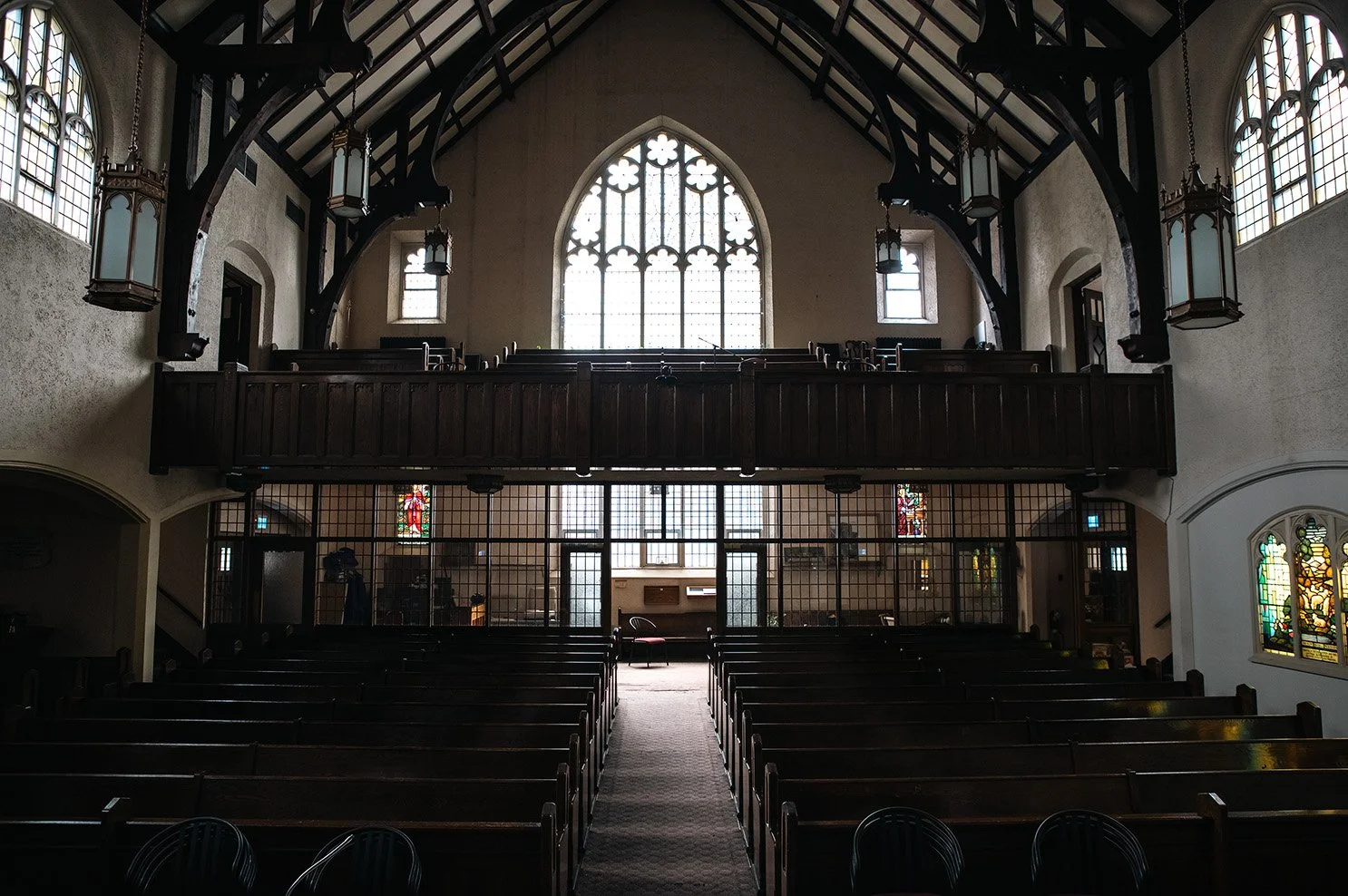
Hope United Church, located at Danforth and Main, has been a beacon in the community for generations. First established in 1884 and rooted in the neighbourhood since the late 1800s, it is one of the area’s longest-standing institutions. The current building, constructed in 1930, has withstood decades of social, cultural, and physical change. Today, Hope United serves as both a historical landmark and a living archive—holding over a century of memories while continuing to shape the present. Its walls tell stories of what this community once was and what it is becoming.
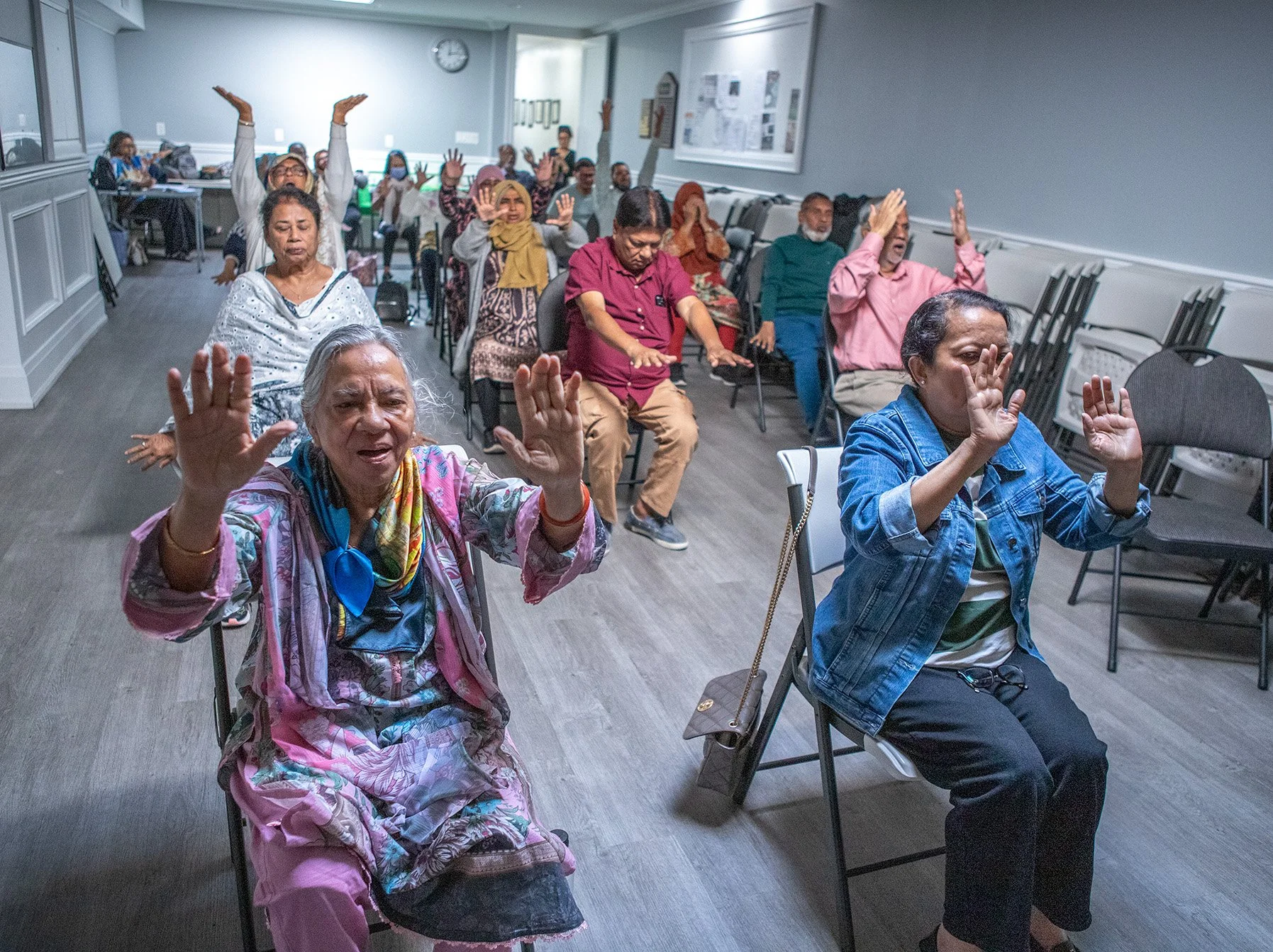
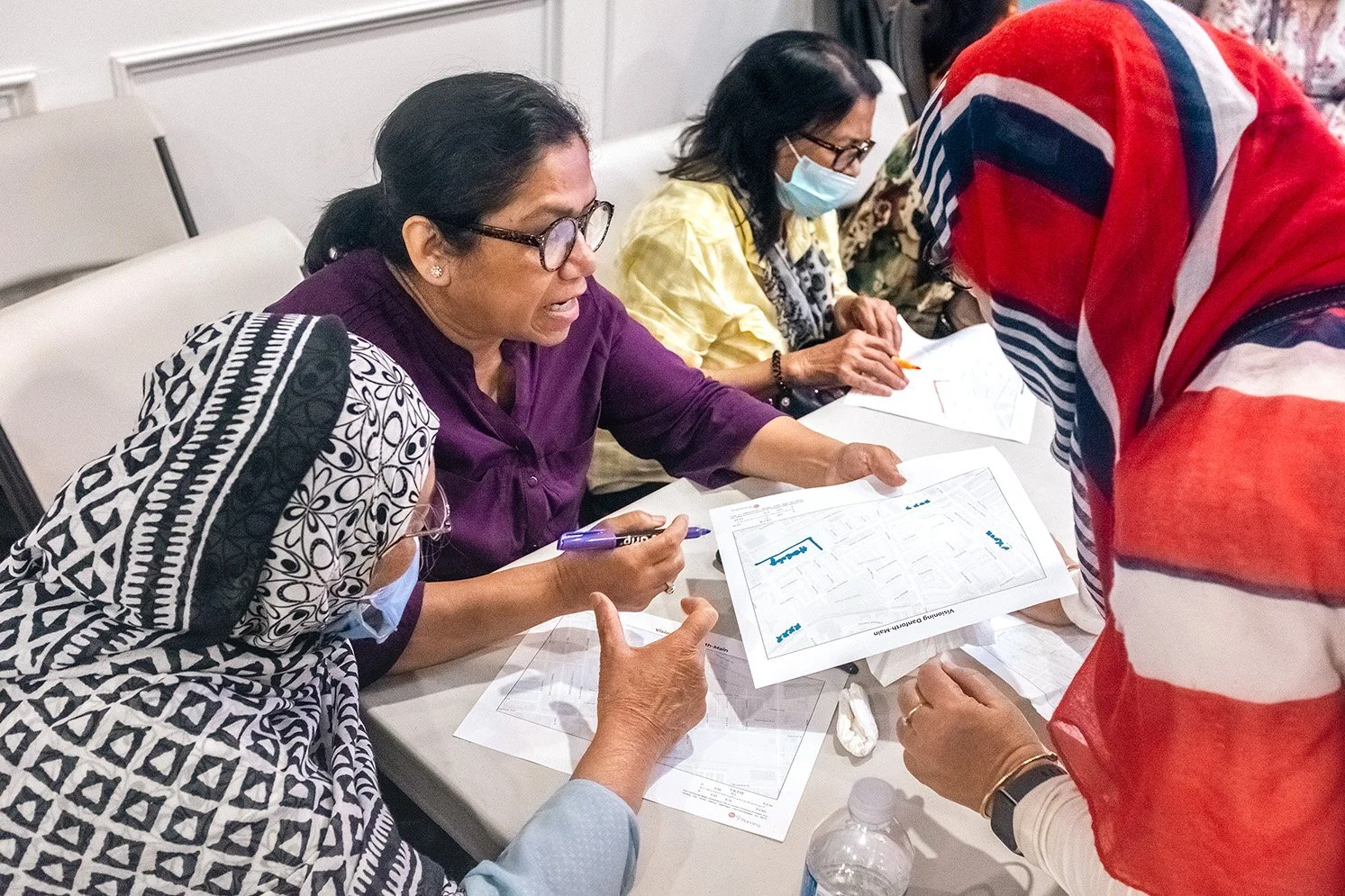
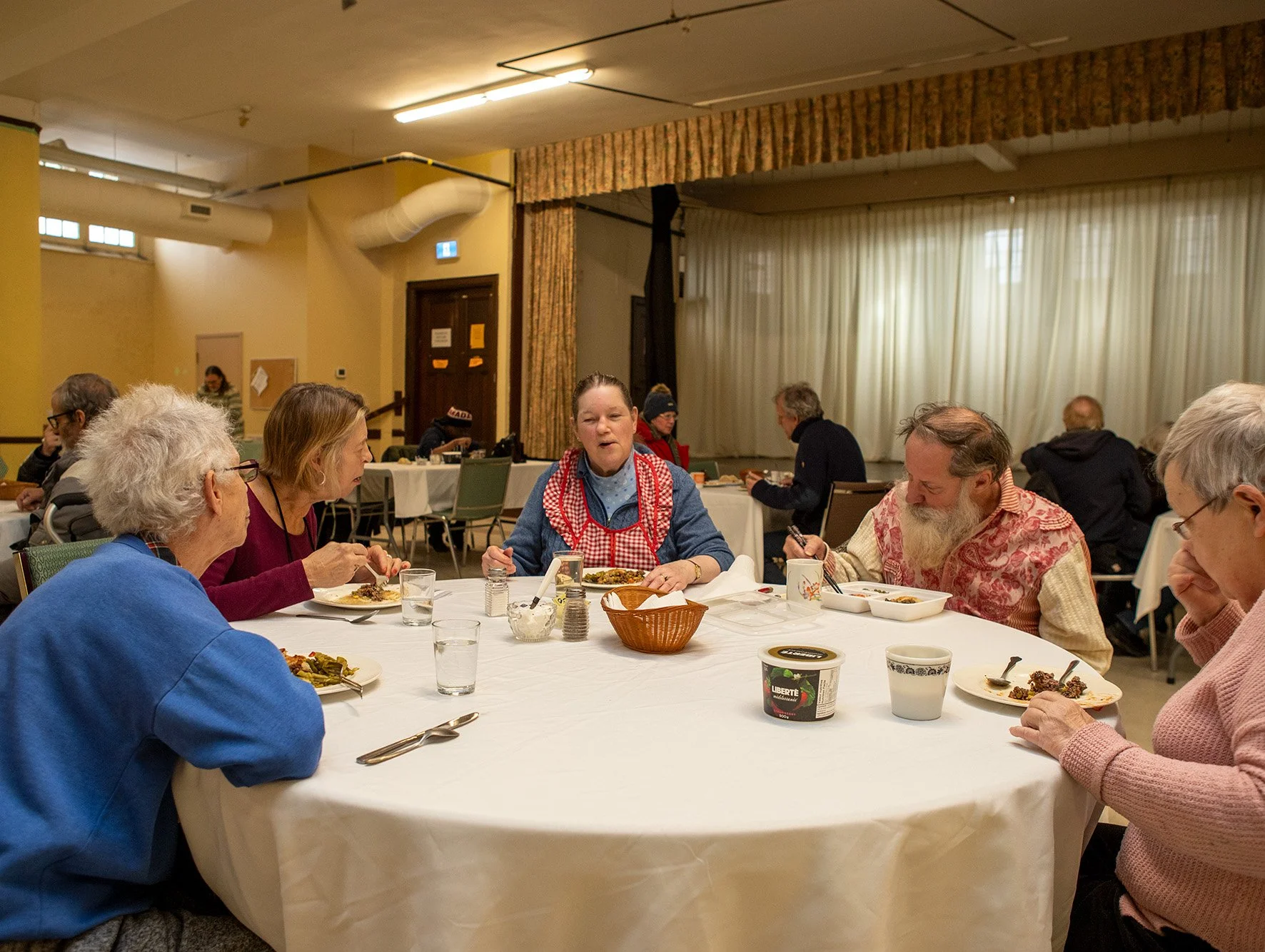
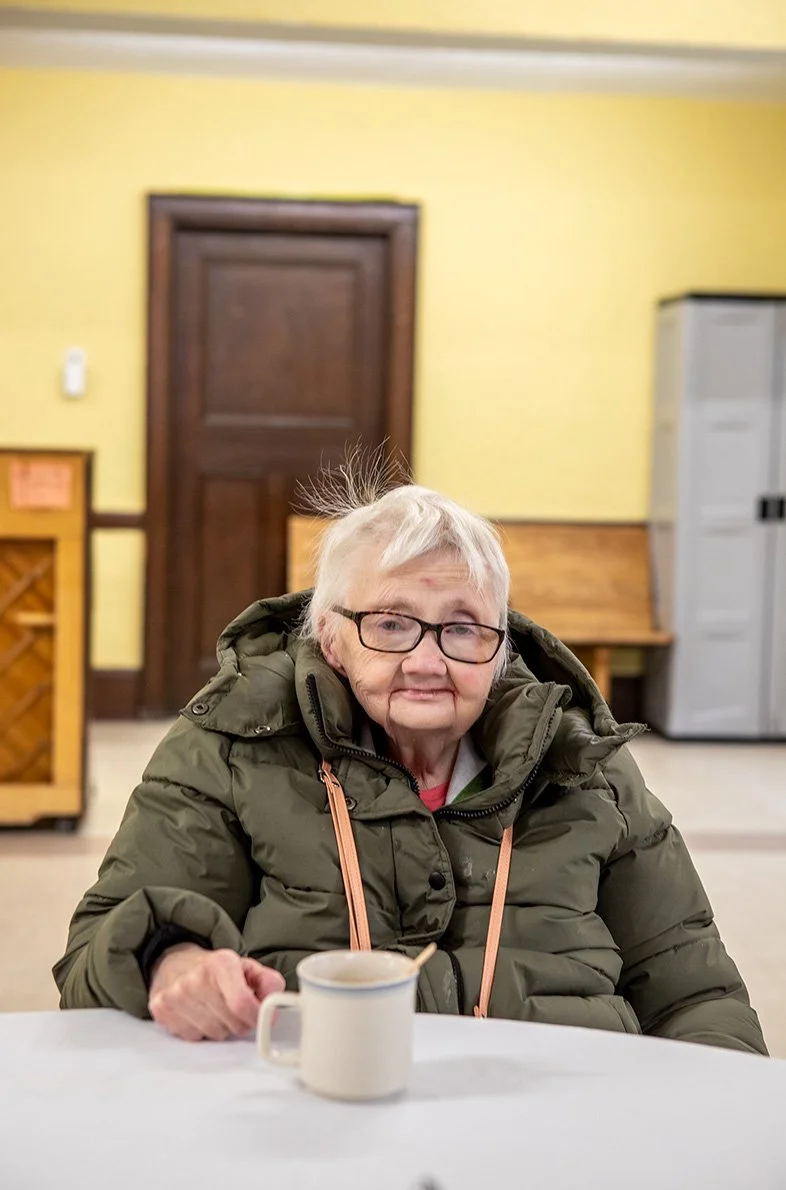
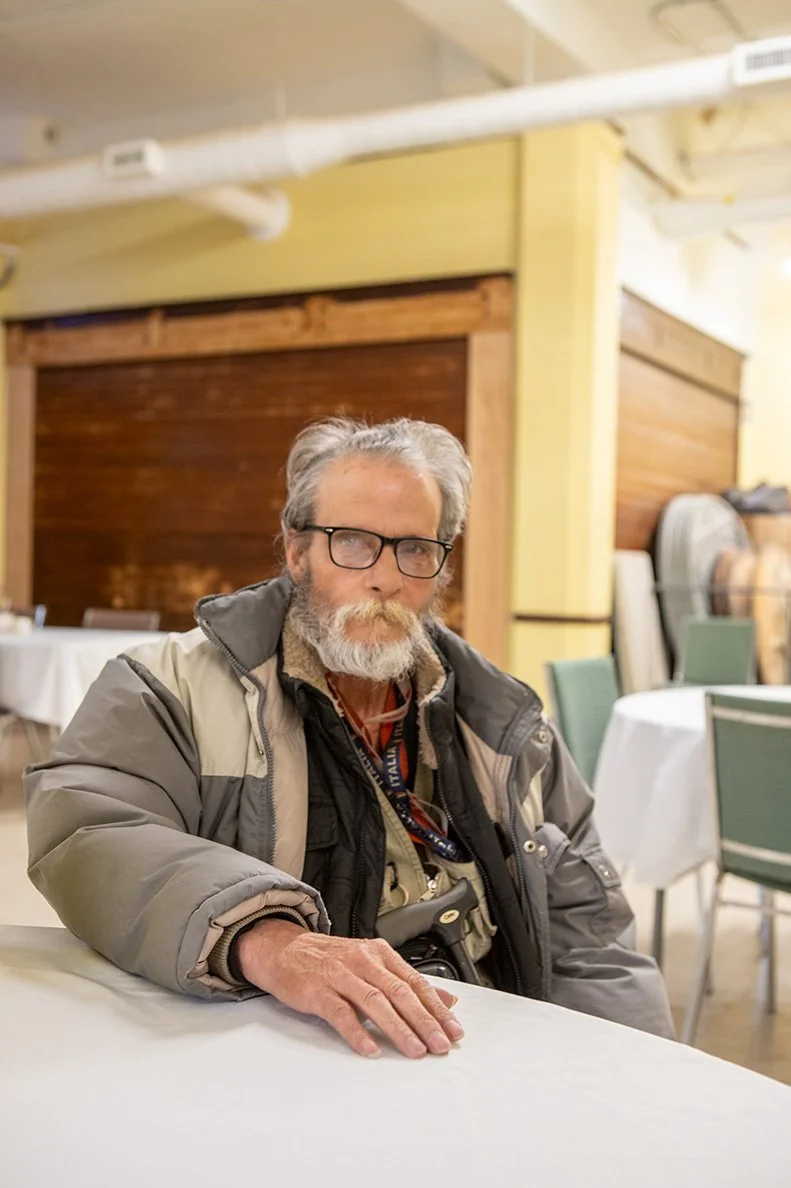
More than a place of faith-based worship, Hope United is a space of care, connection, and belonging. It supports people through moments of joy and sorrow, offers refuge in times of need, and creates opportunities for gathering, nourishment, and shared meals. Every Thursday, Hope United hosts a Seniors Lunch and Learn, one of many programs that holds space for connection over food and conversation. Through these gatherings, I was able to meet neighbourhood residents I might never have encountered in my day-to-day life—moments and opportunities that opened the door to intimate, honest conversations. The seniors I met spoke about accessibility, access to resources, sustainable and affordable living, and care for their neighbours—highlighting the deep sense of collective responsibility that exists within this community.
Across many ancestral and elder cultures, storytelling is an act of connection, care, and collective responsibility. Hope United fosters this tradition, using storytelling to reduce isolation, spark learning, and encourage discovery and growth. As we care for the land we occupy, we also nourish one another—sharing our histories, experiences, and voices to strengthen the bonds that hold our community together.
Beth
Living in close proximity reveals both connection and friction. Small daily annoyances, differences, and misunderstandings are common — but familiarity can transform tension into empathy. When neighbours know one another, tolerance grows, and people become human rather than anonymous.
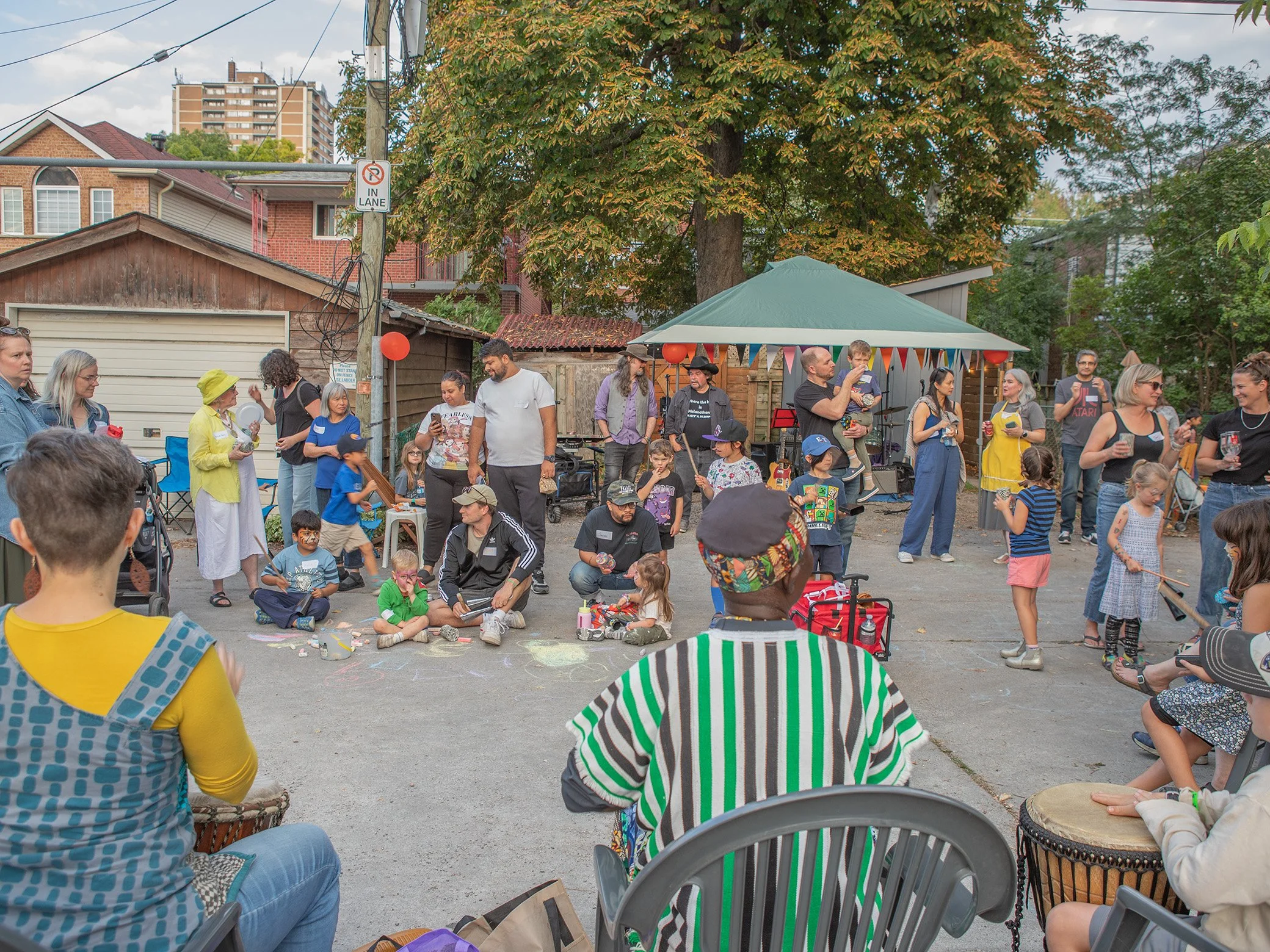
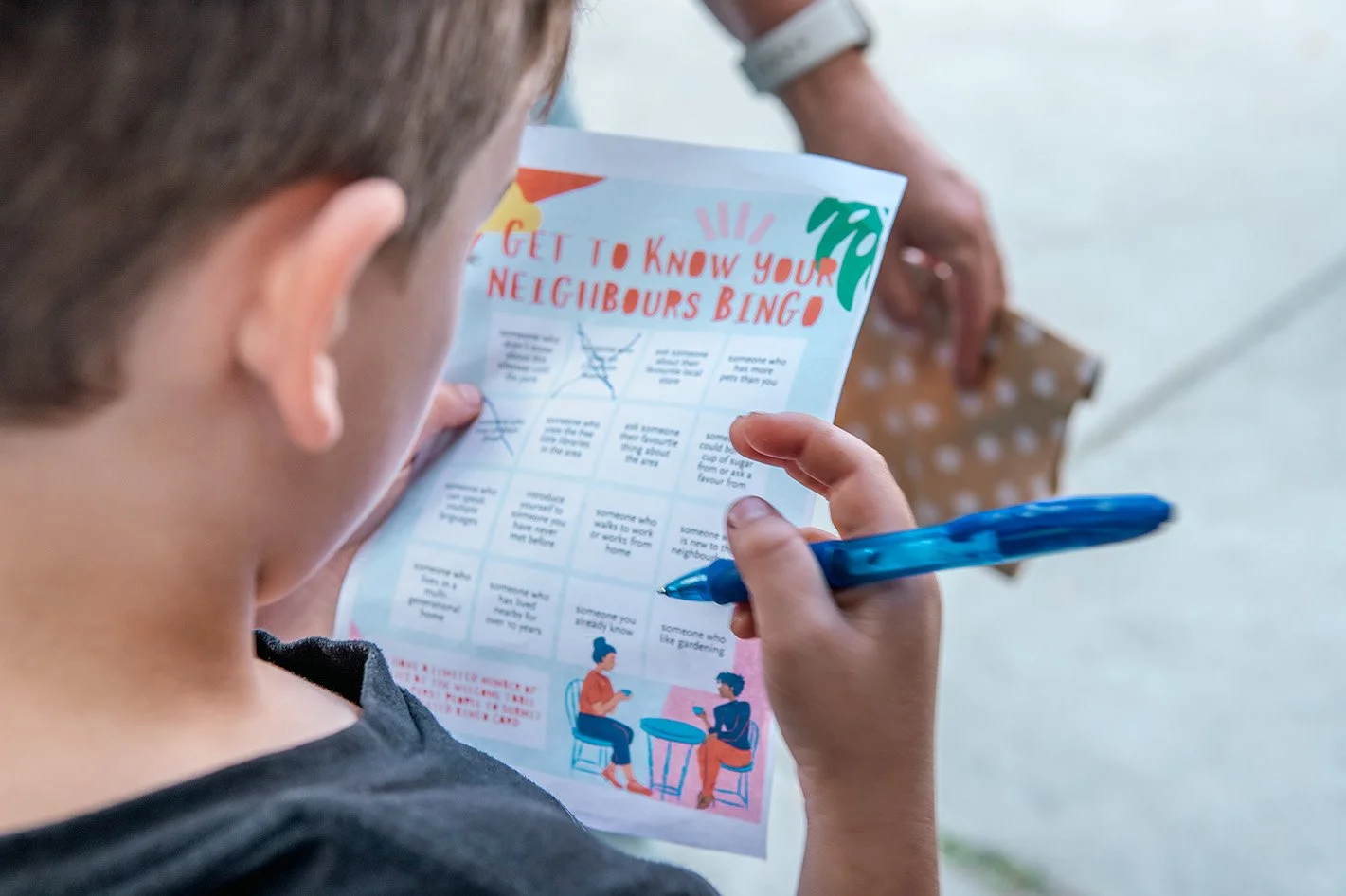
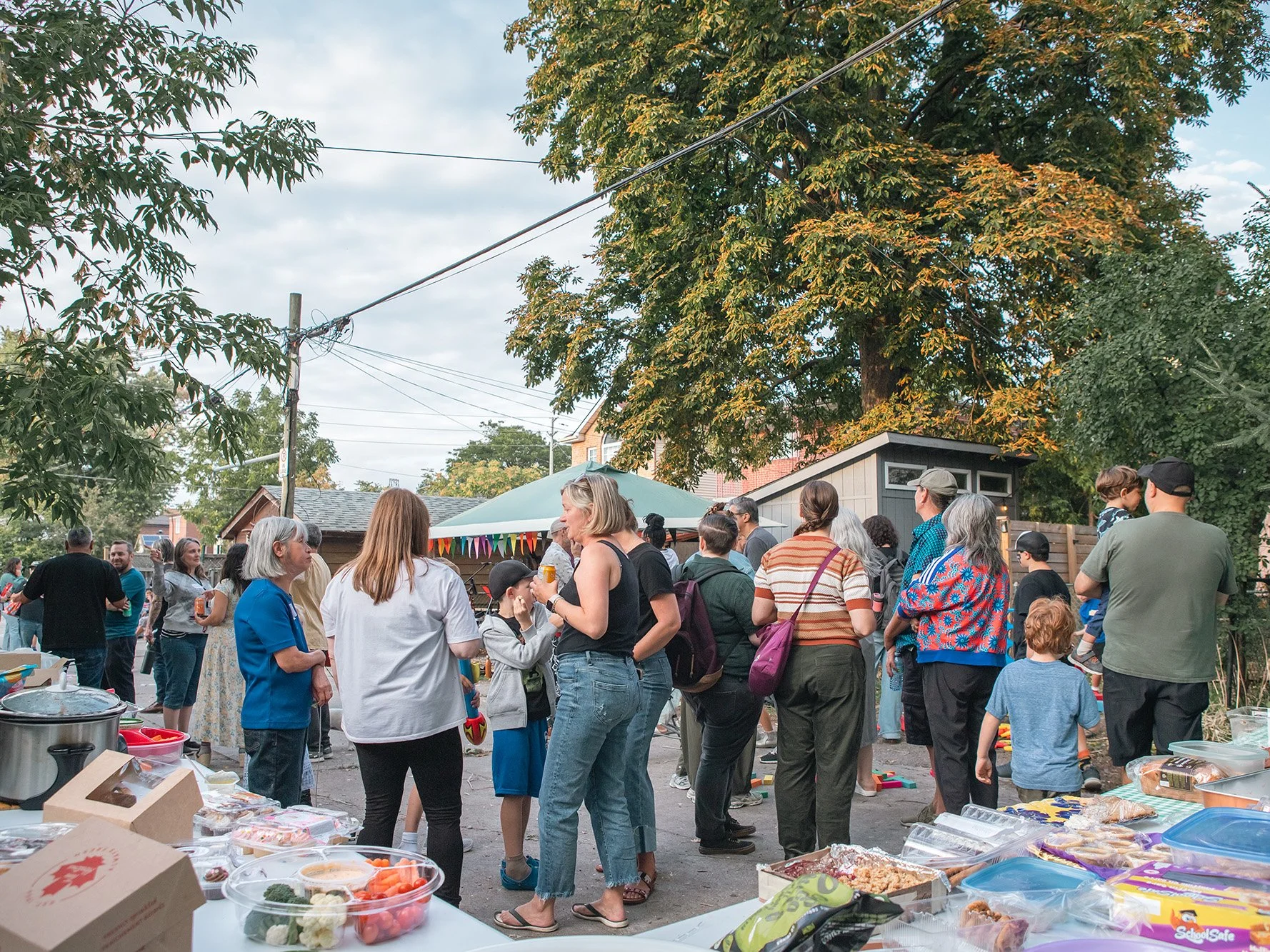
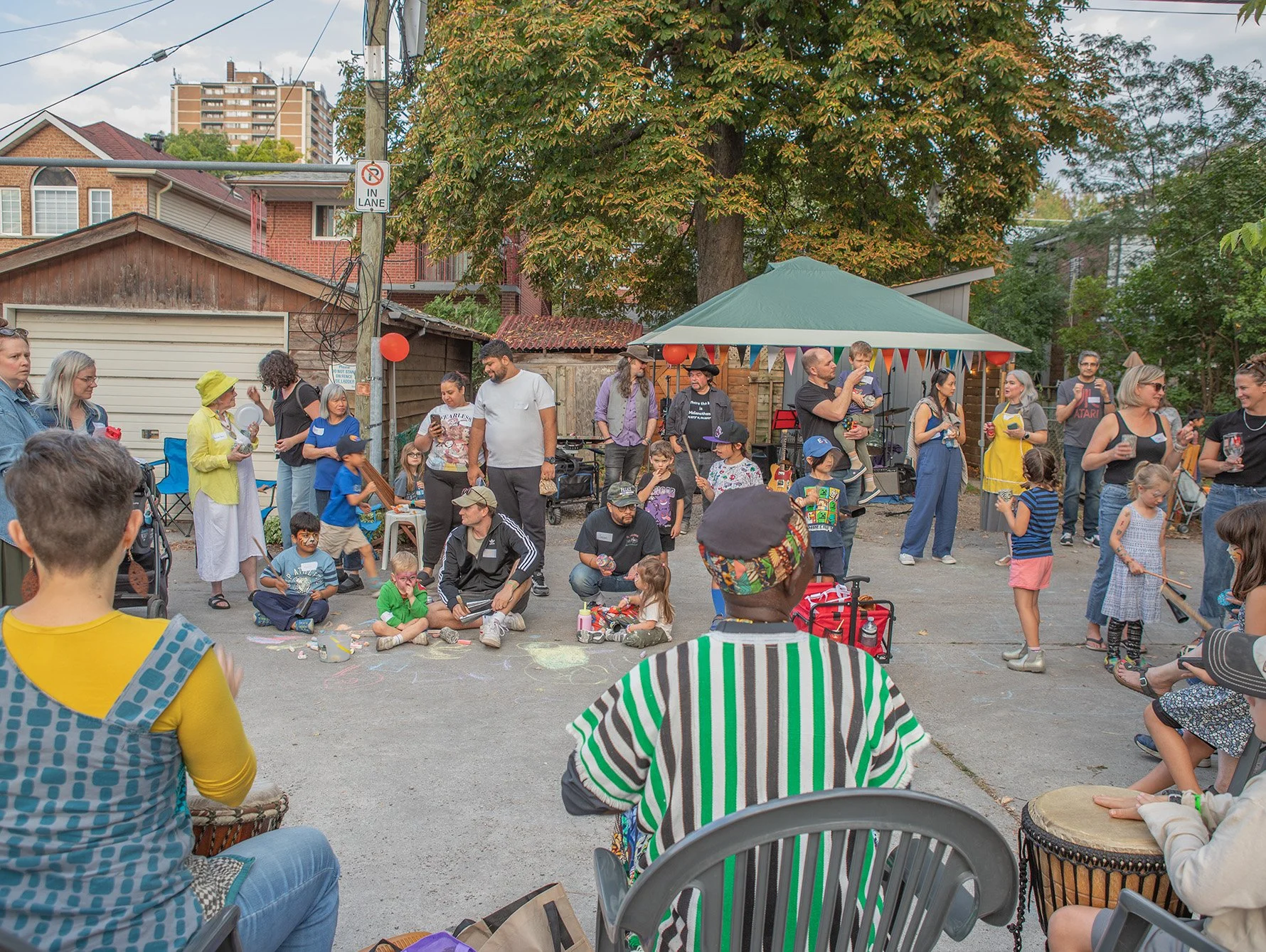
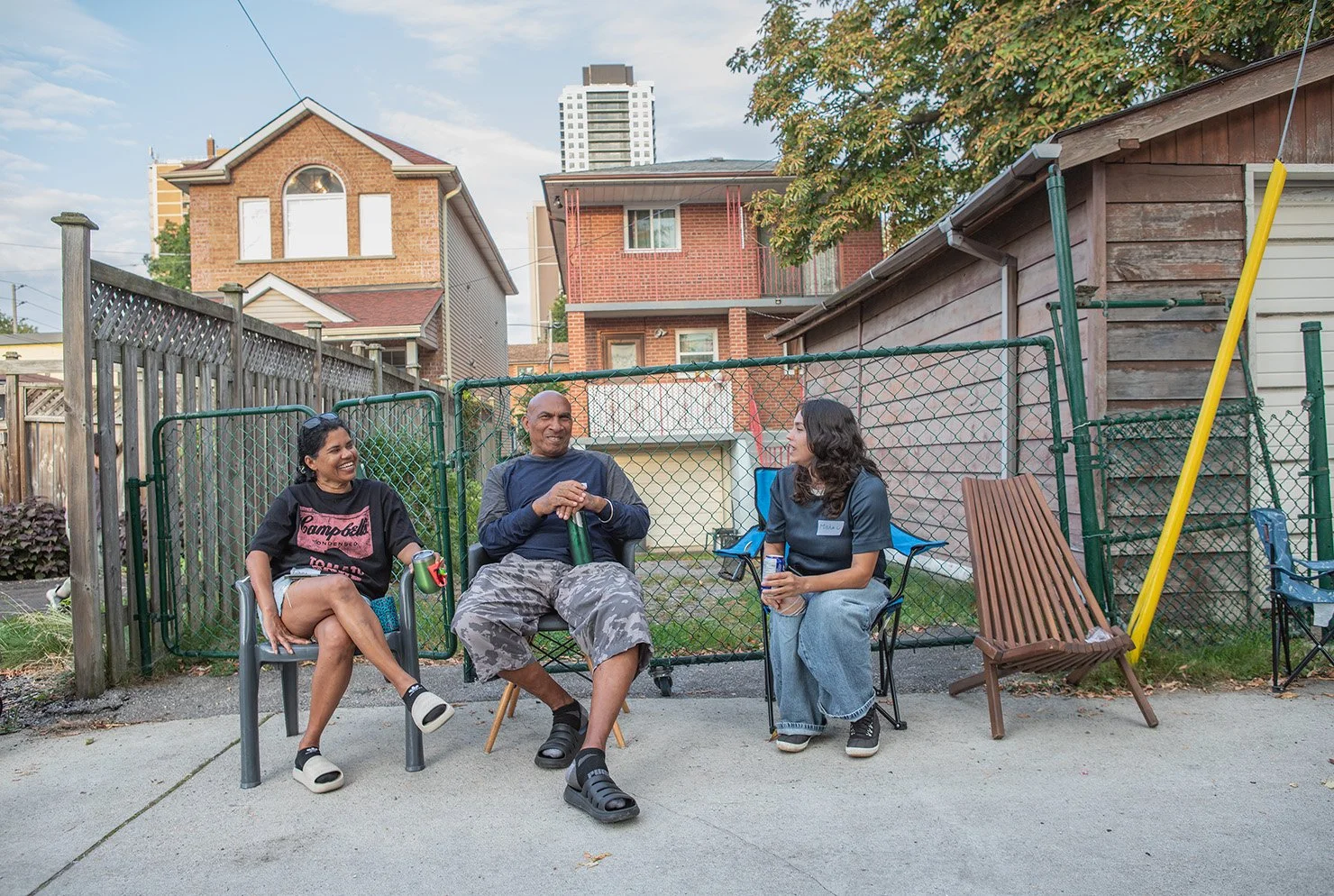
Beth began hosting simple backyard gatherings to activate shared space and build the kind of community she wanted to see — one grounded in care, inclusion, and mutual responsibility. Many were surprised to be invited, revealing deep levels of isolation within the block.
What began in 2017 as a small gathering in an alleyway expanded organically. During the pandemic, this space became a vital site of connection. Over time, invitations extended beyond the alley to the entire block. In 2025, more than 200 people gathered, sharing homemade food, stories, and care.
Through intentional acts of gathering, isolation is reduced, relationships deepen, and individualism is challenged. In choosing community, neighbours create spaces of belonging, safety, and collective care.
David
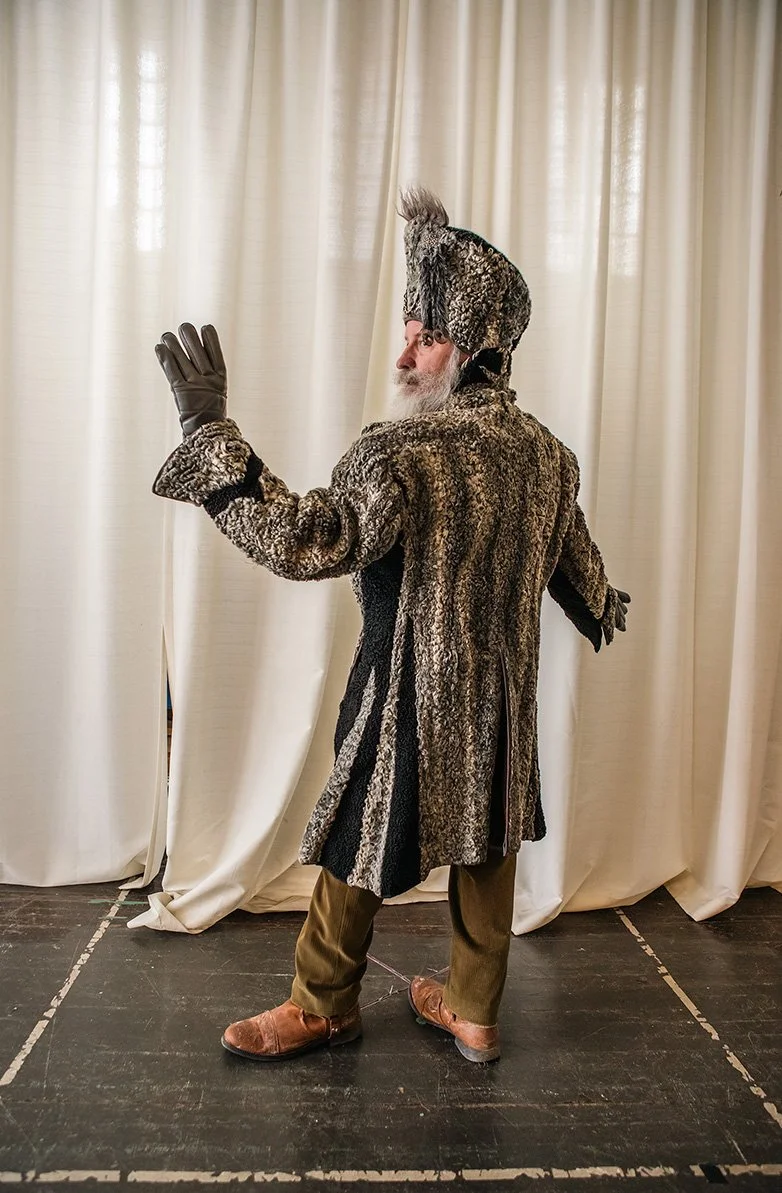
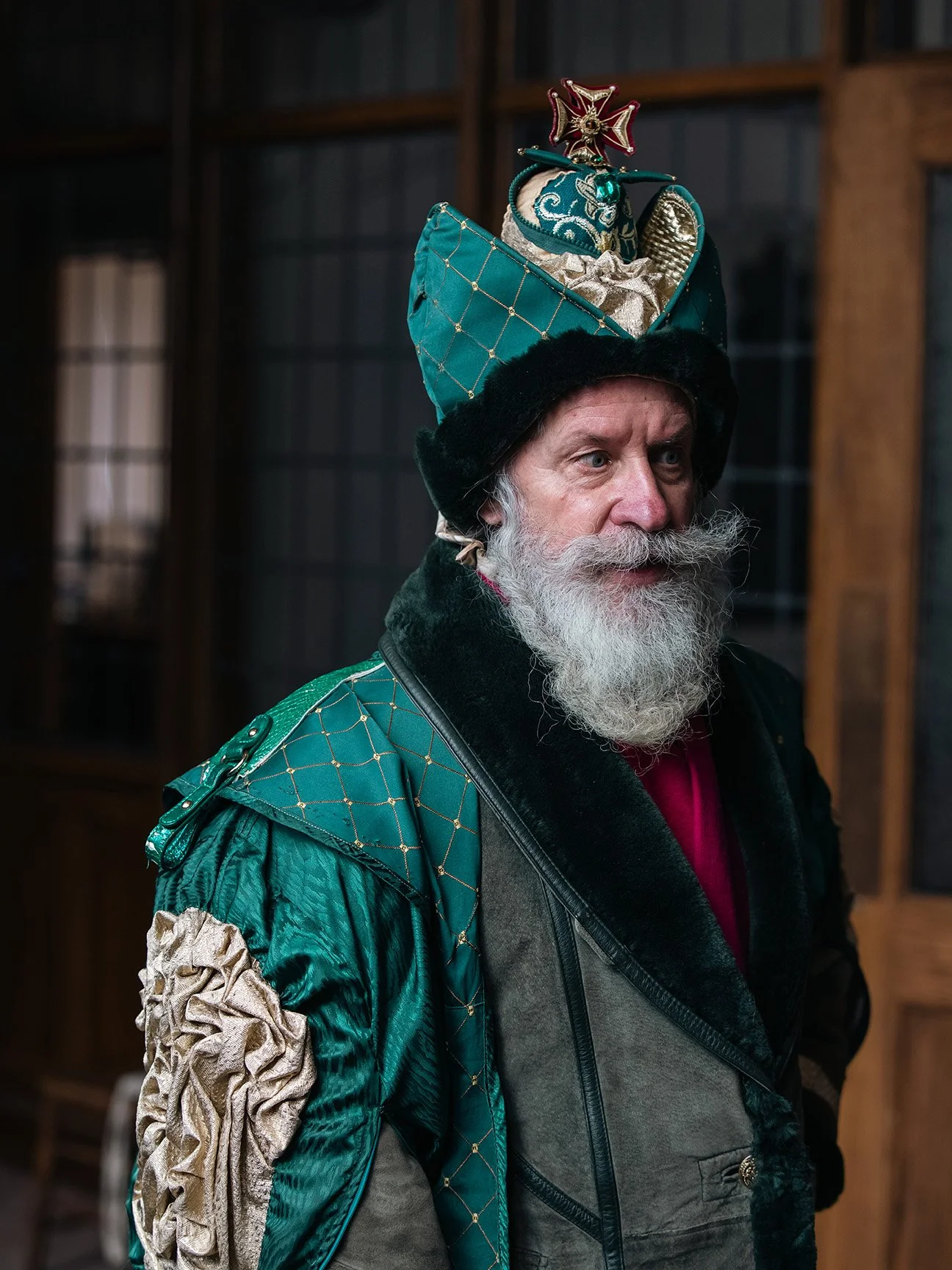
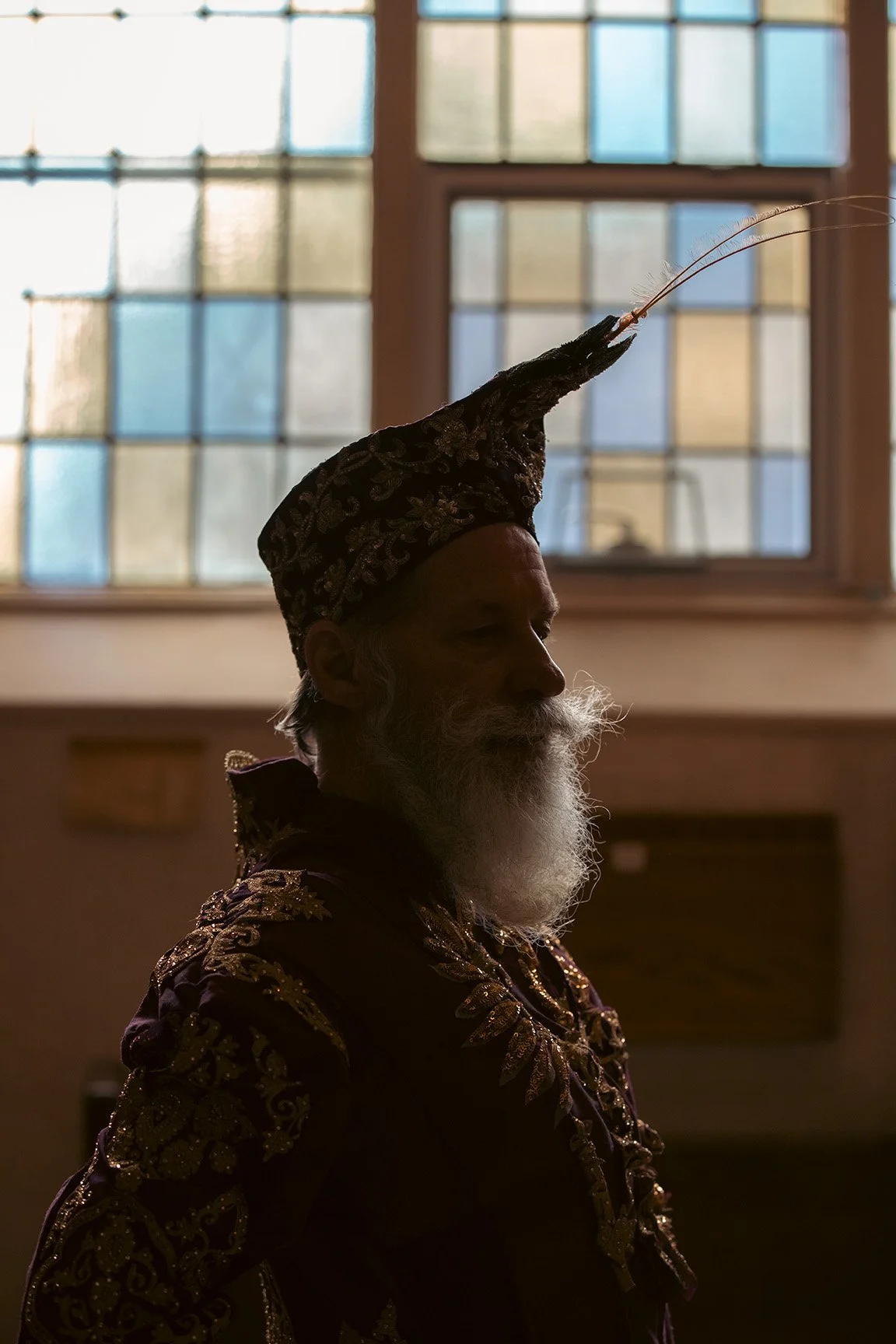
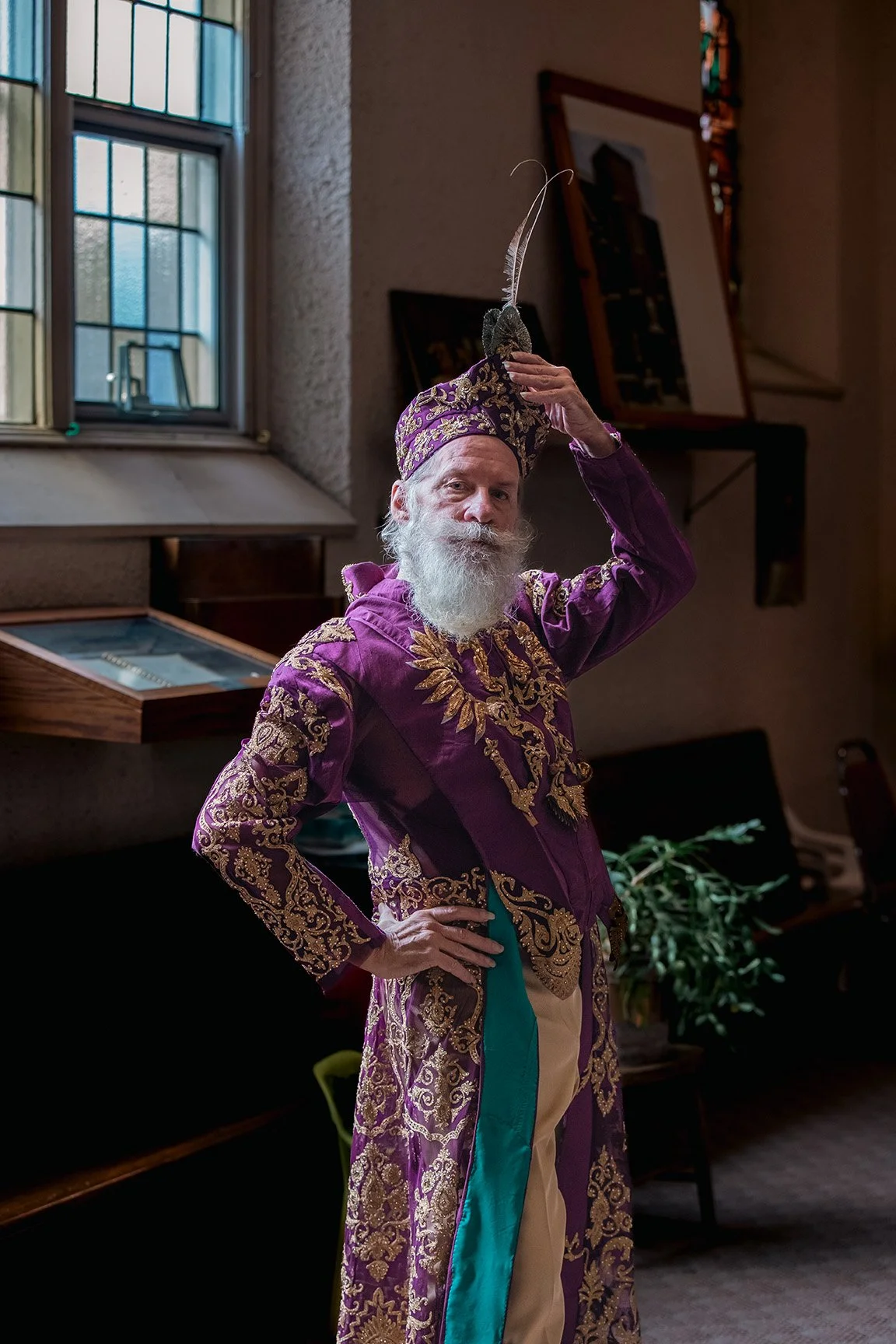
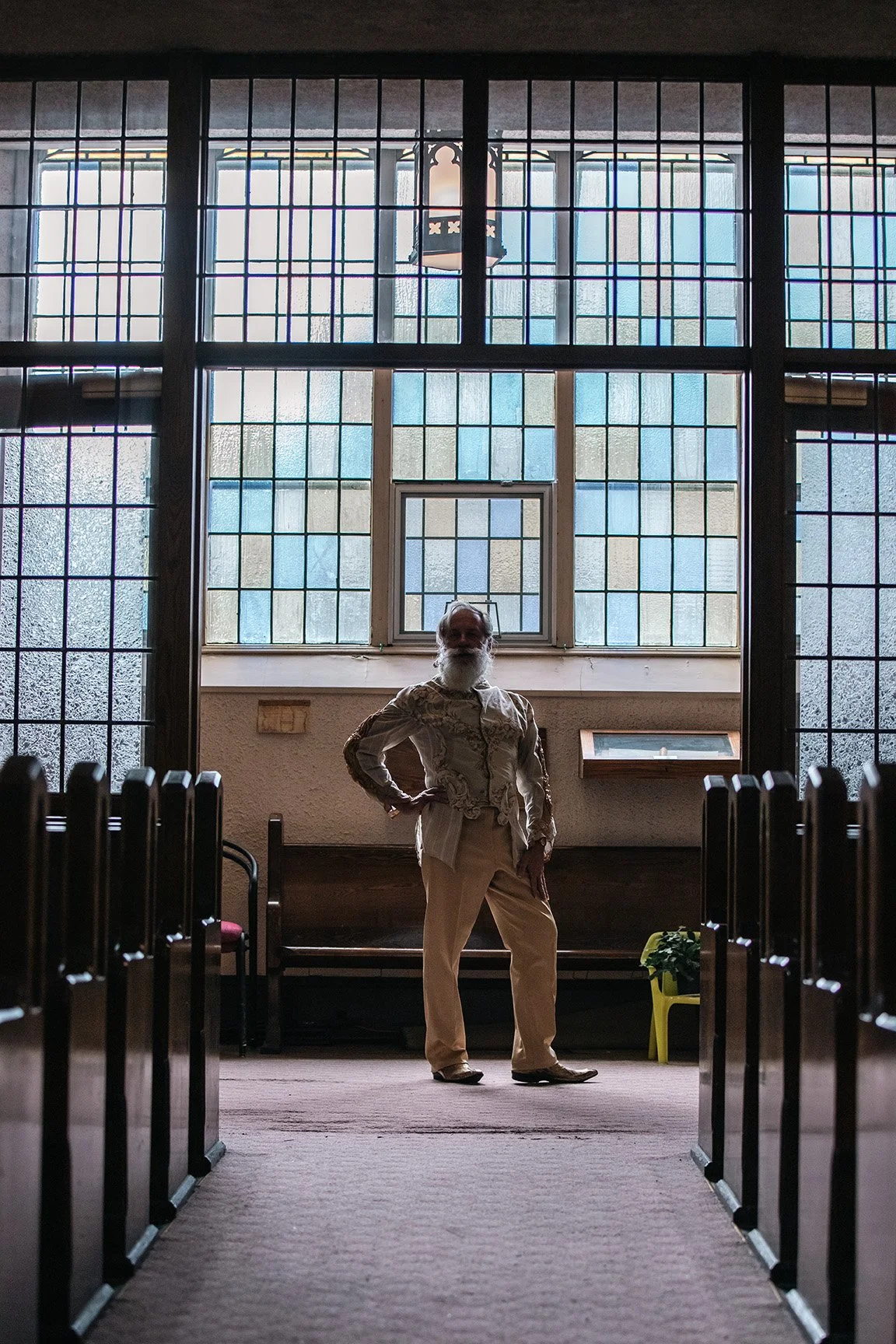
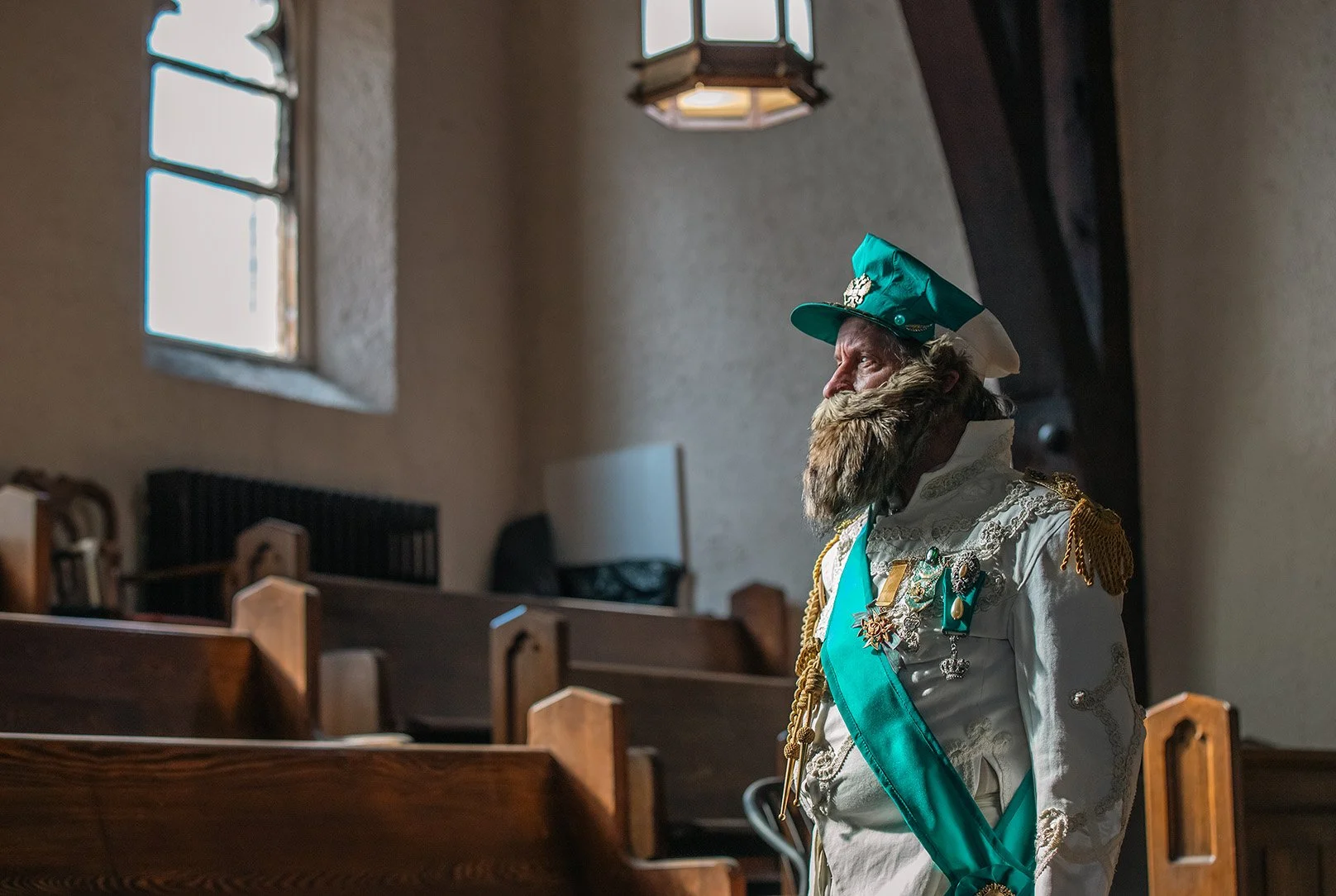
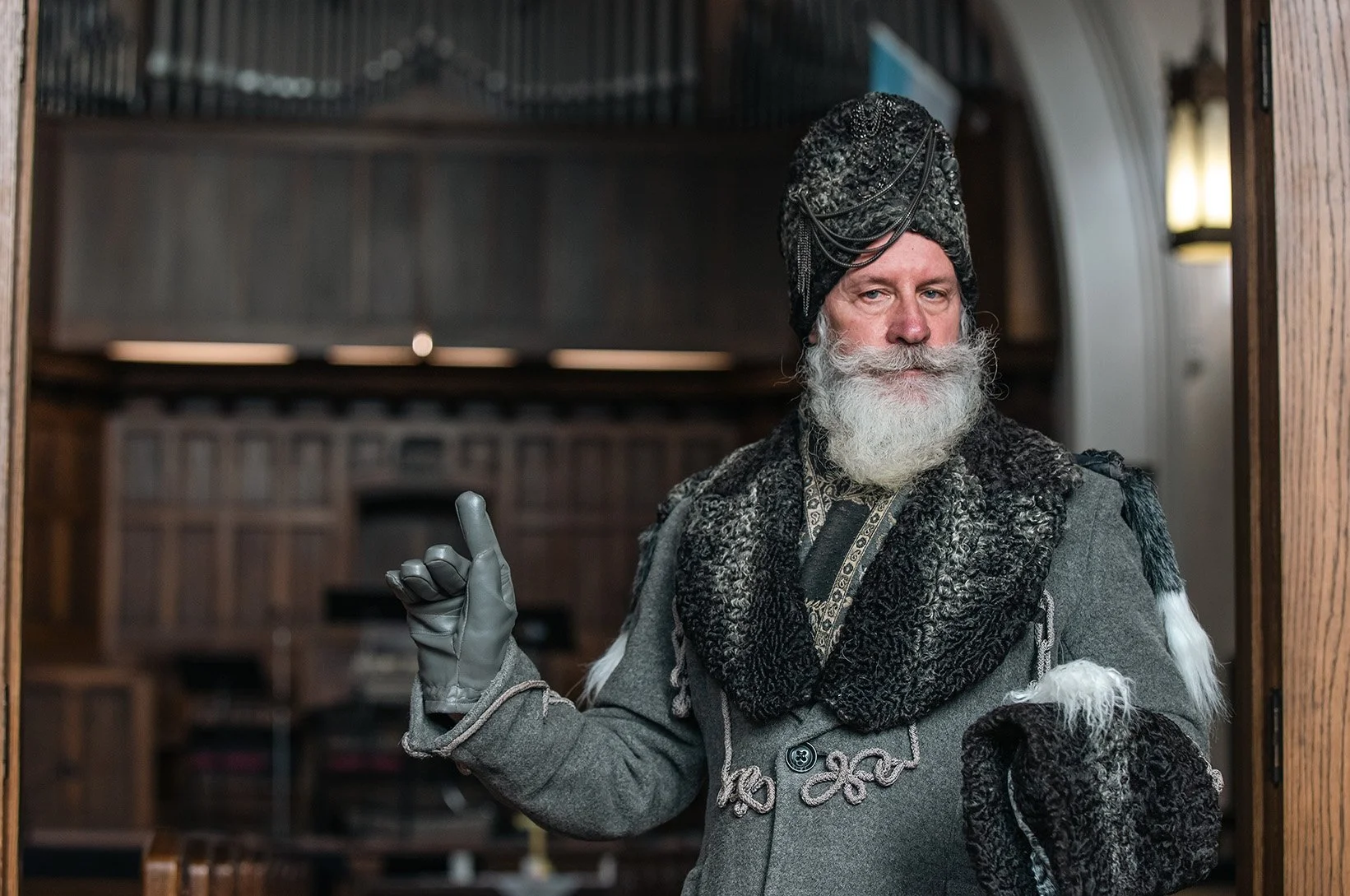
I first noticed David strolling through Danforth Village, wearing the most exquisite, extravagant hat and coat. He carried himself like a figure from another era—graceful, elegant, and impossible to ignore. I was immediately curious, wanting to meet him and learn more about his striking sense of style.
In February 2026, while attending a seniors’ lunch-and-learn at Hope United Church, I saw him walk into the room. I felt a bit starstruck. That’s when I learned he was a retired costume designer who had worked with various fashion houses in Toronto, and even contributed to the first Toronto production of Phantom of the Opera.
David sources materials for his garments and hand-sews everything himself—from hats and blouses to coats and intricate adornments. In our conversation, we spoke about embracing what makes us unique and steering clear of those who might try to dim that light.
He has lived in the Danforth Village community for over 26 years. After experiencing deep isolation during the COVID-19 pandemic, he found his way to Hope United Church, drawn in by signs inviting neighbours to join their programs. He shared that the isolation had taken a toll on him, and that finding this space of connection and belonging has been deeply meaningful.
Following the passing of Pastor Brian earlier this year, David reflected on the importance of continuing to nurture spaces of creativity, care, and community—ensuring that these moments of connection carry forward
Waheed
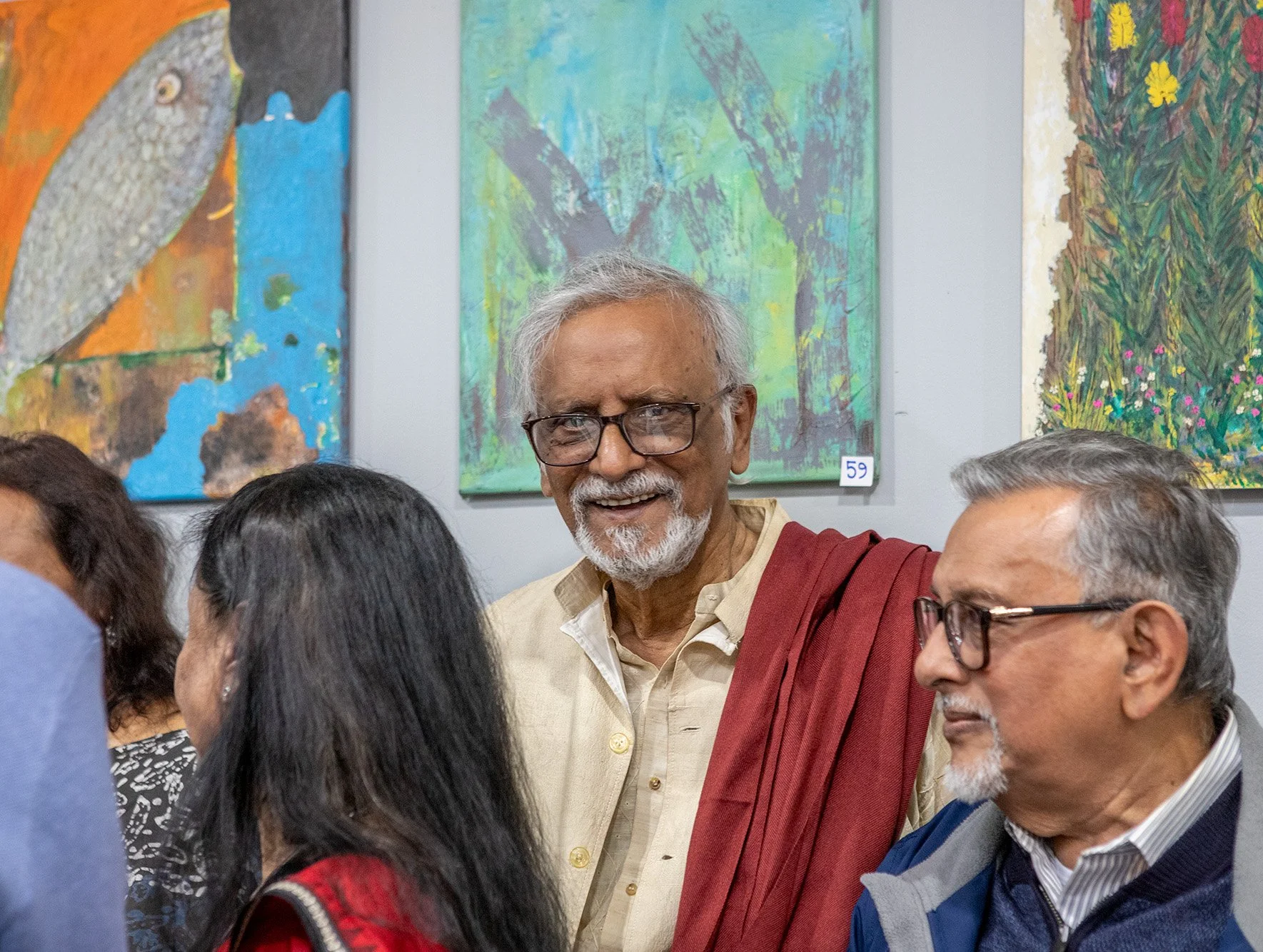
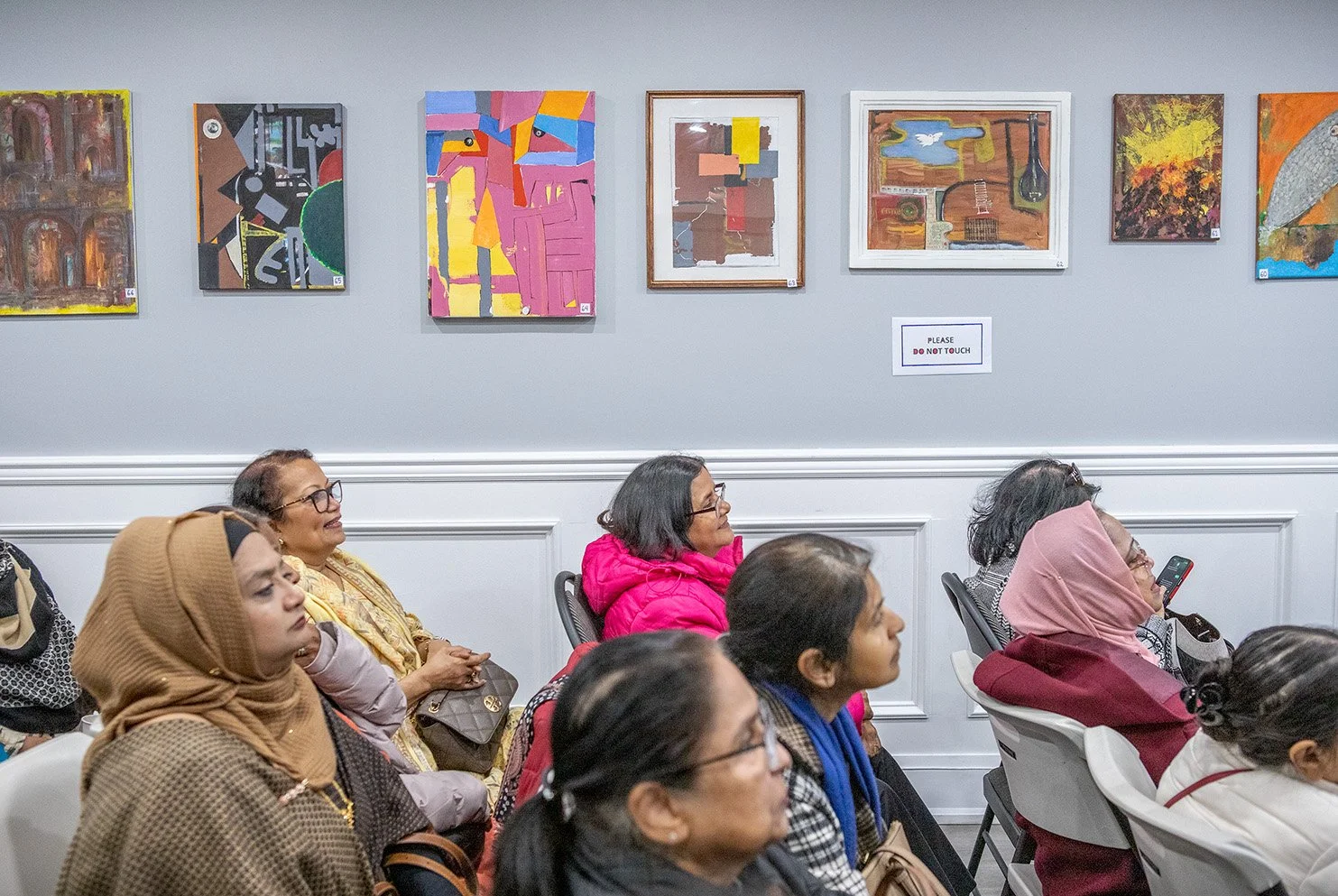
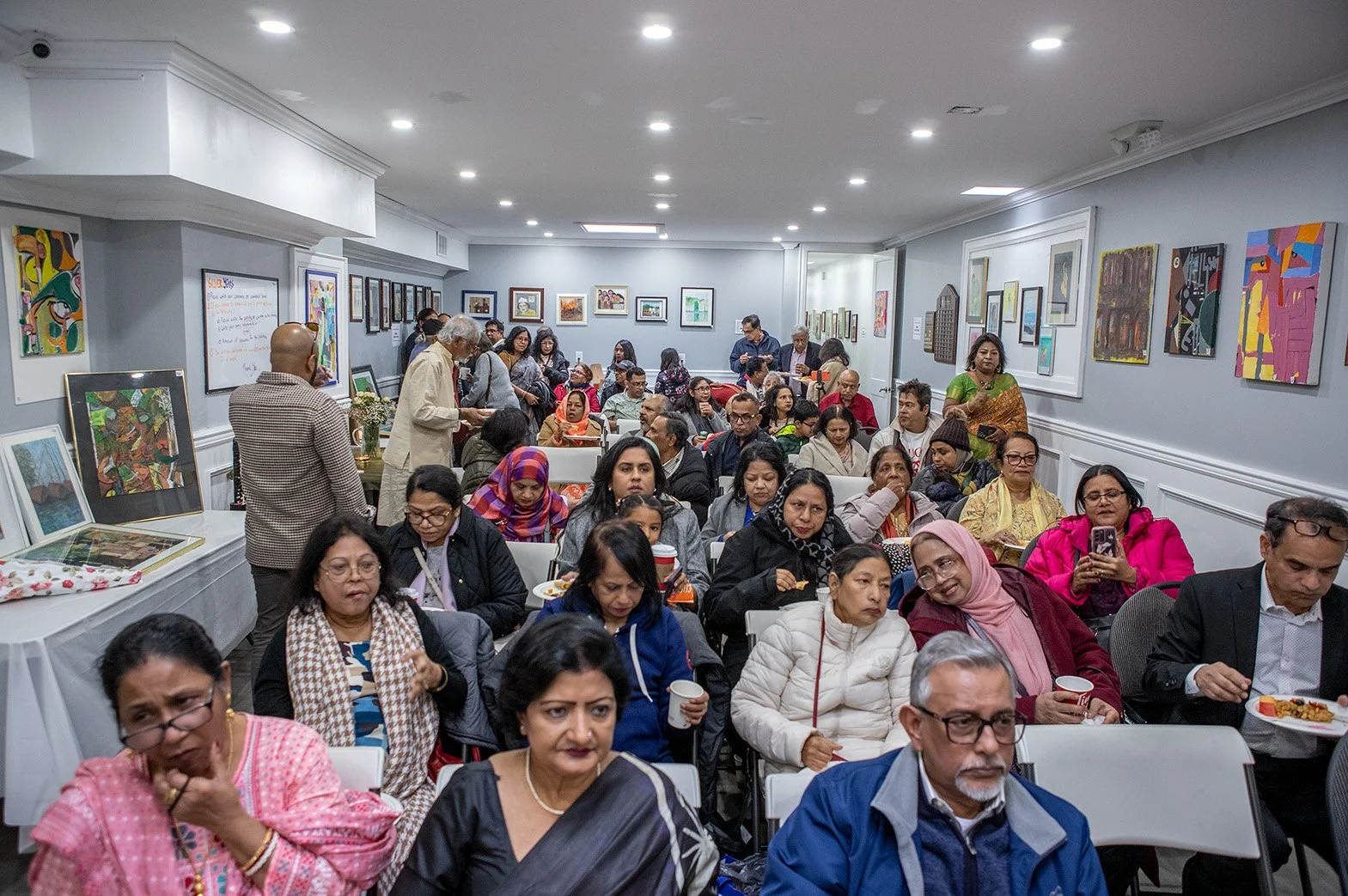
At 85 years old, Bangladesh Centre & Community Service (BCCS) member Waheed held his very first art exhibition, showcasing an incredible collection of 75 paintings. Waheed began painting in his 70s during a difficult period, while his wife was battling cancer. In moments of isolation, he picked up a paintbrush. What began as a source of comfort grew into a remarkable body of work.
Each brushstroke, line, and pattern tells a story. This November, BCCS proudly celebrated Waheed’s creativity and dedication by presenting his debut art show.
It was truly inspiring to see the depth and volume of his work, especially considering that he has no formal background in art. Despite his humility — often insisting he’s “not an artist” — his paintings speak otherwise.
The community gathered to honour Waheed and celebrated this milestone. For him, the exhibition was a dream come true. It was a chance to share his journey and creativity with others. In a full-circle gesture, all proceeds from the sales of his paintings are being donated back to BCCS, supporting the same senior programs that support him.
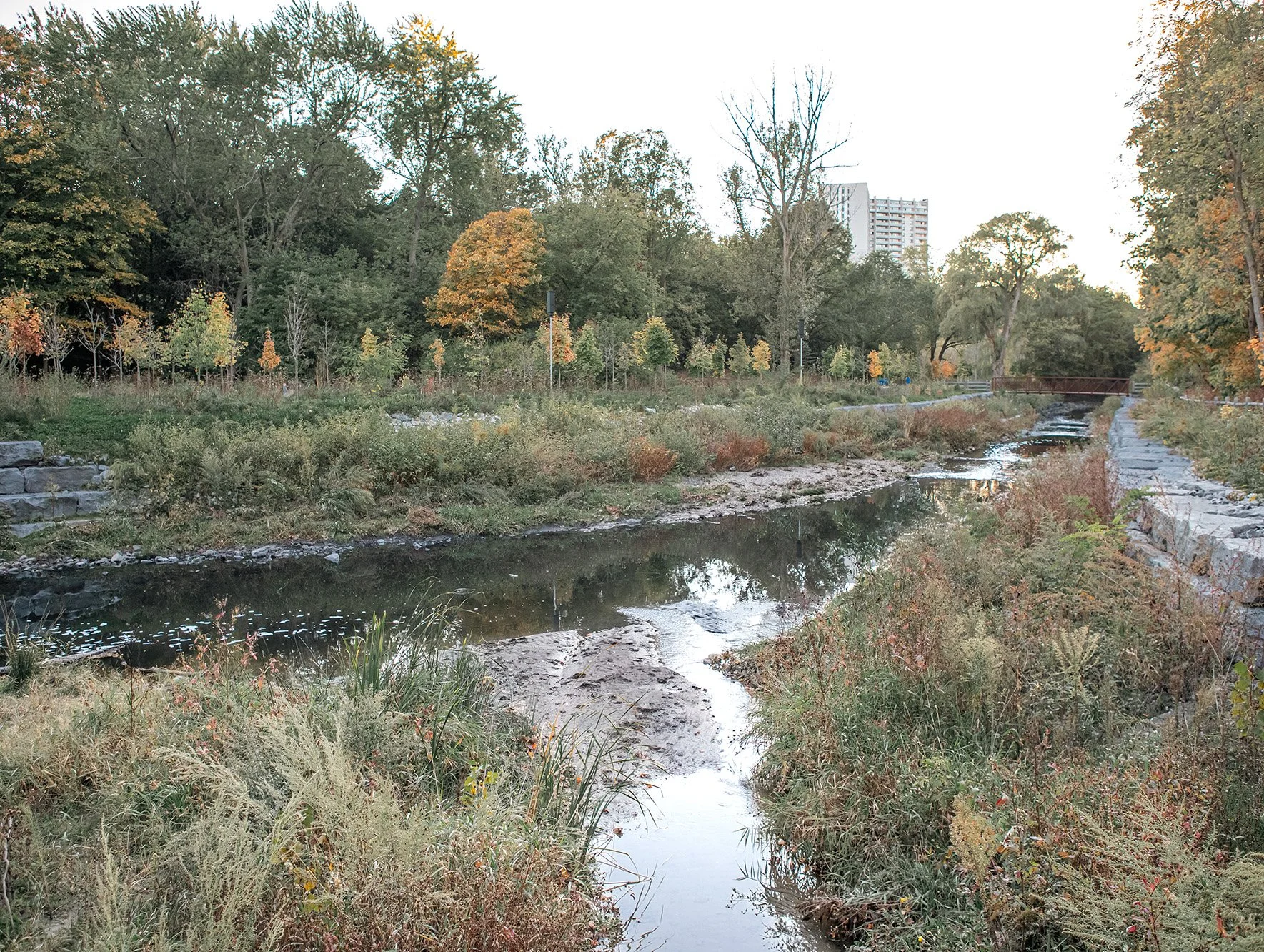
Taylor has a strong connection to East York’s Taylor Creek Park — a place where they go to reflect and find calm. Surrounded by greenery, water, and birds, the park offers a quiet reminder of nature’s cycles. Over time, the creek and its trails have changed; what was once a dirt path was rebuilt to prevent erosion. Like the shifting landscape, life, too, is full of change and renewal. The death and rebirth seen in the land mirror the cycles we experience in our own lives — moments of loss, growth, and renewal. Even when the creek freezes, water continues to flow beneath the surface — a quiet constant through every season.
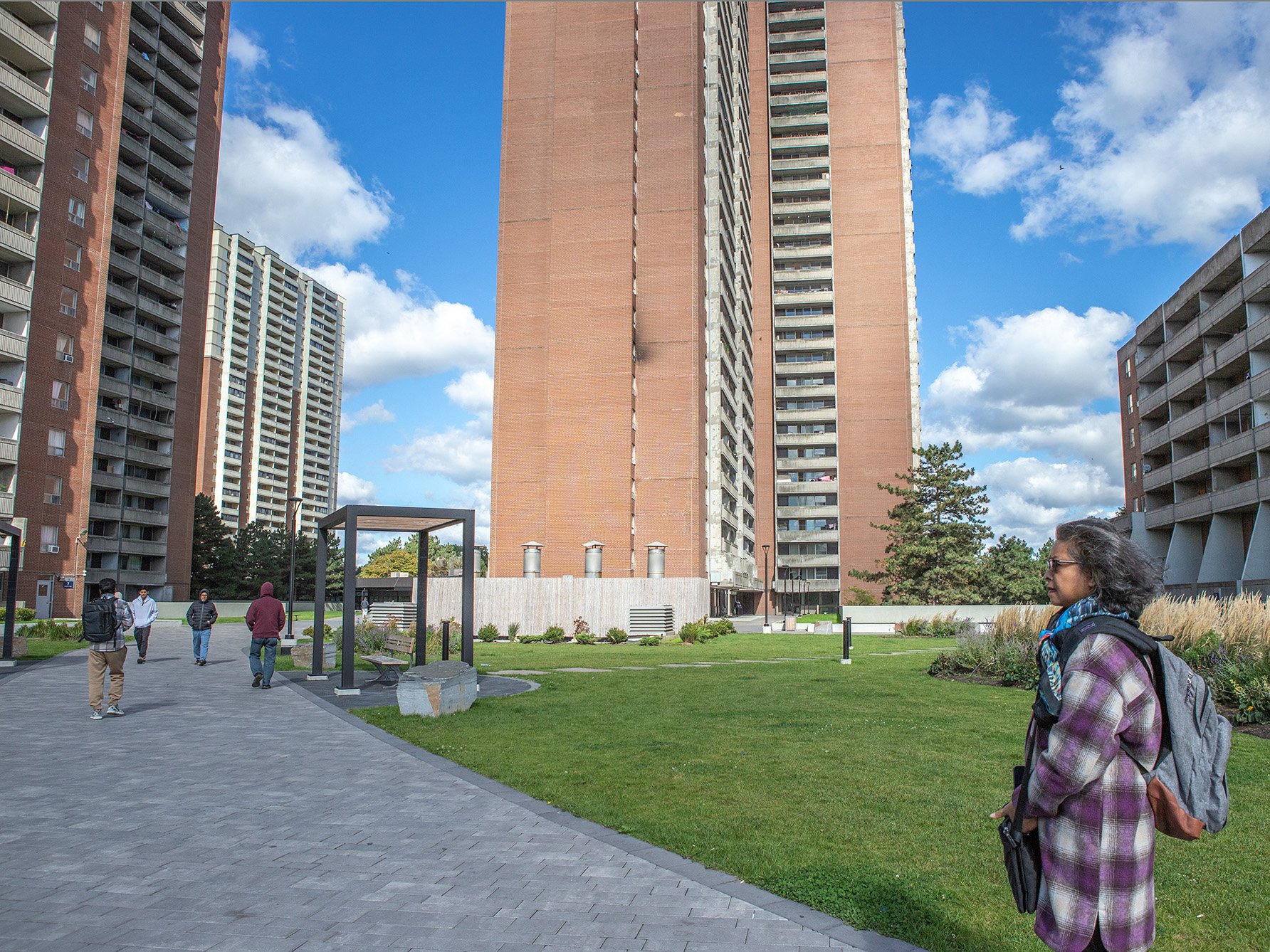
Hasna is a long-time resident of Danforth Village and an active participant in both the Crescent Town and Bangla Town communities. She works hard to bridge the gap between New Canadians and long-standing residents. Originally from Bangladesh, Hasna moved to Canada with her husband in the late 1990s, where she began navigating a new way of life.
Living in an apartment at Teesdale Place—steps from Victoria Park Station and a short walk from Danforth Avenue—she quickly adapted by forming friendships and connections with neighbours. The vertical housing community offered daily encounters in elevators and shared spaces, creating opportunities for conversation and support. Neighbours greeted one another, shared stories, gathered in each other’s homes, and offered small acts of kindness.
While some might see high-rise living as isolating, residents made full use of the surrounding green spaces for picnics, chats on benches, and celebrations of cultural traditions such as Eid and Diwali. For Hasna, these moments reminded her that community isn’t just something you join—it’s something you build with others. For newcomers, it’s not only a source of comfort, but a way to survive and to thrive.
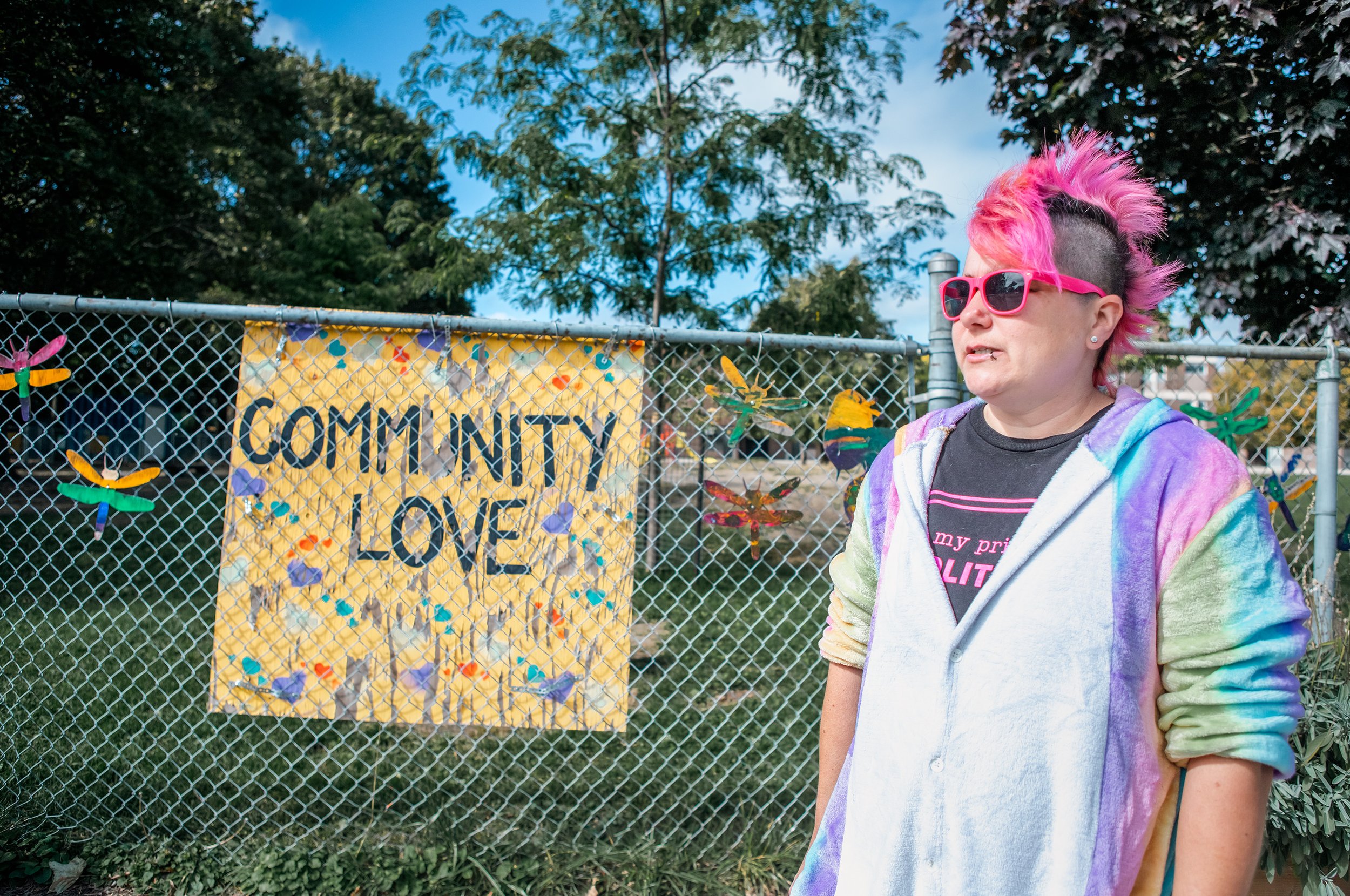
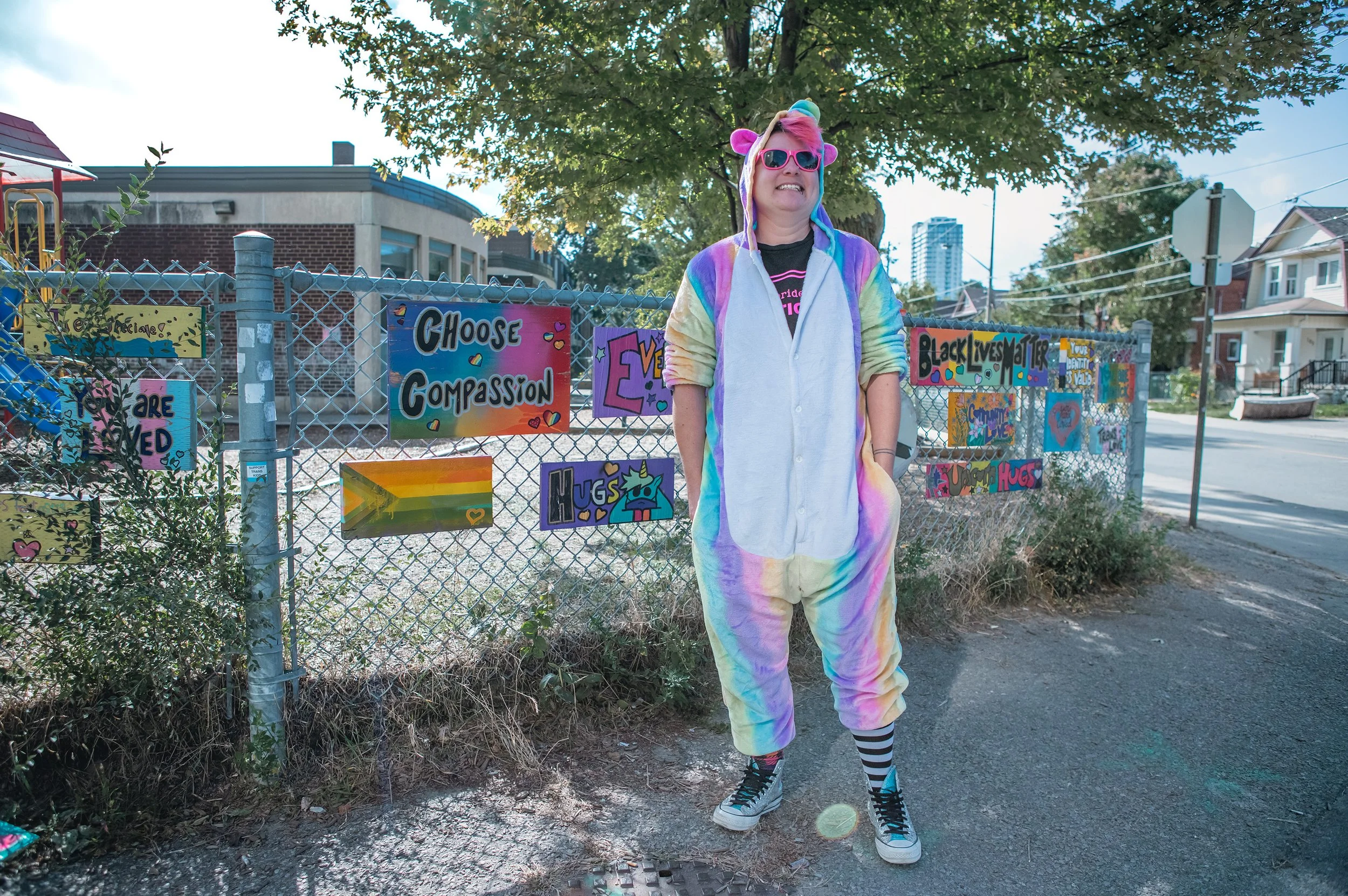
Unicorn Shannon is an artist, activist and community unicorn in East York. Choosing to spread love in the face of today’s hateful rhetoric, Shannon has helped community members of all ages share messages of inspiration, joy, and what matters most to them.
At the corner of Secord and Barrington in East York stands an outdoor gallery of painted wooden panels, created with the children of the local schools under Shannon’s guidance. Through collaboration, the act of art becomes an act of education, inviting others to reflect on affirmations, images of nature, and the importance of respecting the land.
Speaking with Shannon about the power of visibility, the urgency of liberation, and the fight against the systems of oppression brought out so many emotions. Every child should endure feelings of inclusion, peace, and the knowledge that they can live authentically.